Author: Hano

  • Women’s Voices: Kurdish Sound Archive & Beyond

    Women’s Voices: Kurdish Sound Archive & Beyond


    Archive Khanah – Part of the SPACE21 Festival Presents: “Women’s Voices: Kurdish Sound Archive and Beyond” festival offers two immersive evenings at Cafe OTO dedicated to Kurdish sonic memory, archival storytelling, and live performance. On July 17th, the focus is on rare historical recordings of women’s voices from across Kurdistan, with a panel discussion and sound exhibition led by Zeyneb Yas Salam and her team, followed by live performances that creatively reinterpret the traditional dengbêj style. On July 18th, the spotlight shifts to contemporary Kurdish home archives from London, with a panel exploring diaspora sound culture and a collaborative live performance responding to these intimate recordings. Each night blends archival listening, thoughtful dialogue, and innovative music-making, inviting audiences to experience the vibrancy and resilience of Kurdish women’s voices past and present. Exclusive Kurdish music merchandise will be available on both evenings.

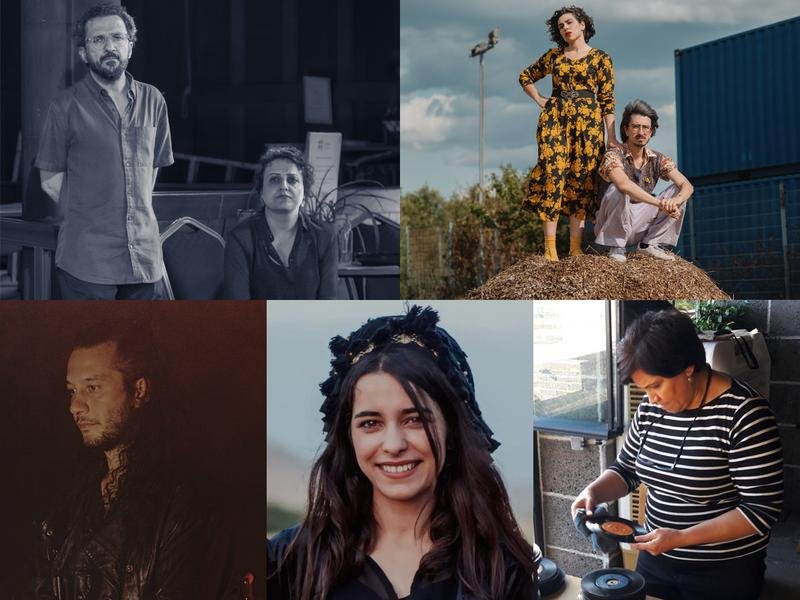
    Panel Discussion & Sound Exhibition: 30 archival recordings of Kurdish women’s voices from 1905–2000, representing Bakur, Rojhalat, Bashur, and Rojava, curated by Zeyneb Yas Salam and her team from the Amed Museum. Discussion on the archival process, the significance of women’s oral traditions, and the challenges of preservation. Live Performance: Neslihan Ediş’s reflection on Dengbêj, the distinctive Kurdish song style, responding to the archival material. Live Performance: Heja Netrik presents a contemporary reflection on Dengbêj reinterpreting the archival material.

    Panel Discussion & Exhibition: Collection of Kurdish home archives from London, curated by Hardi Kurda. Archive owners and a Kurdish artist working in this field discuss the role and impact of diaspora home recordings on Kurdish cultural memory in London. Live performance: Duo Moment, Hardi Kurda, and Khabat Abas explore how the home archive can contribute to and respond to the evolving Kurdish modern archive, reflecting on its cultural significance within the city.  Siavash Nameshiri: Live Electronics: Drawing on almost-forgotten ancestral echoes of Heiran and Dengbêj traditions across different regions of Kurdistan, as well as early recordings from Kurdistan, Siavash re-synthesises the movements of heritage and tradition, reimagining them within a collective memorial context. A bridge to the present, an act of remembrance that both honours the past and acknowledges its ongoing transformation.

    Supported using public funding by the National Lottery through Arts Council England

  • Slemani Sonic Horizon


    The 10th edition of the SPACE21 Festival transforms Slemani into a living soundscape, featuring immersive installations in public spaces, site-specific performances and more by local and international artists. Explore the city’s acoustic and ecological layers through sound archives, experimental music, and collective listening.

    SPACE21 Youth Workshop engages youth in attentive listening walks, collaborative composition, and sound-making. These activities encourage participants to creatively explore Slemani’s sonic ecology and history through sound. By blending environmental awareness and artistic practice, the workshop fosters confidence and collaboration. Participants learn to map memory and place through listening, forging a deeper connection to Slemani’s past and present while inspiring new sonic perspectives.

    At the SPACE21 Sound Gallery, Dengbêj in the Disco is presented in Kurdistan as a space of sonic return and reactivation, grounded in the Kurdish proverb “her dar li ser koka xwe şîn tê” — every tree grows on its own roots. The work brings traditional Dengbêj vocal practice into dialogue with contemporary club listening cultures, framing sound as a living continuity between heritage, place, and present-day experimentation.

    The Synthesiser Bazaar is a sound installation presented outside the Saray Building. Drawing on the vibrant atmosphere of Slemani’s music markets, where cassette culture, wedding musicians, synthesisers, and imported technologies converge, the work transforms the exhibition into a living sonic environment. By bringing these sounds to the doorstep of the city’s former administrative centre, the installation connects everyday urban life with historical memory, reimagining the archive as an active, evolving space of listening.

    This evening listening session invites audiences to explore the sonic memories of the hammam through stories, recordings, and collective listening. Once central to social and cultural life, the hammam was a space of conversation, ritual, echo, and gathering. Through personal recollections and sound-based narratives, the session traces how these acoustic environments shape memory and community, offering an intimate reflection on the sounds that continue to resonate beyond the bathhouse’s walls.

    SPACE21 with the University of Sulaimani, Slemani Sonic Horizon organises a mini conference on sonic ecology, youth empowerment, and inclusive pedagogy, combining talks, panels, listening sessions, and workshops to explore sound as a force shaping cultural and social futures. Radio Resonance Collective is a participatory radio and listening project that connects artists and communities to share memories, engage in dialogue, and explore collaborative sound practices. Transcending Research is a practice-led framework using sound, storytelling, and archives to rethink knowledge through place, memory, and community engagement.

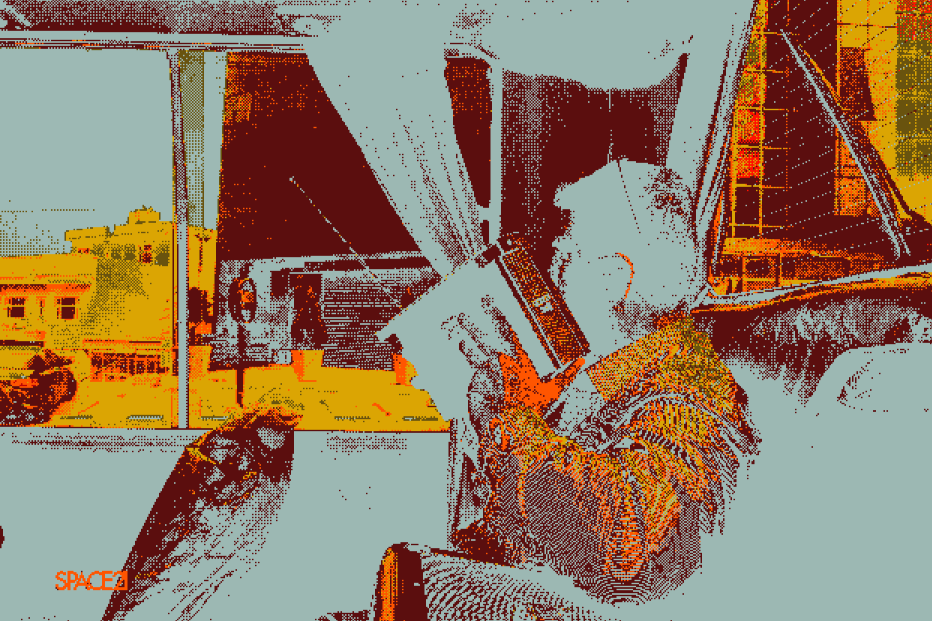
    Radio Bus is a collective listening journey that transforms a moving bus into a radio-based exhibition space. It revisits Kurdish bus culture as a site of shared experience and social connection, bringing together broadcasts, music, and stories that unfold in real time during transit. The project frames mobility as a space of unity, where sound becomes a medium for collective memory and public listening.

    Maryam Al Adra Church, among Slemani’s oldest buildings, preserves memory through unique acoustics, each sound connecting visitors to the city’s enduring spirit and history.

    Simon Martin, born in 1981 in Rouyn-Noranda, Quebec, is a composer and artistic director of Projections libérantes, a Montreal-based company he founded in 2011. Celebrated for his “fascinating” and “hypnotic” music, Martin explores the beauty of sound emerging from silence. His works balance evocative sound phenomena with dramatic structure, shaping his unique artistic vision. Projections libérantes produces Martin’s distinctive creations, sharing his passion for the evocative, intangible qualities of sound.